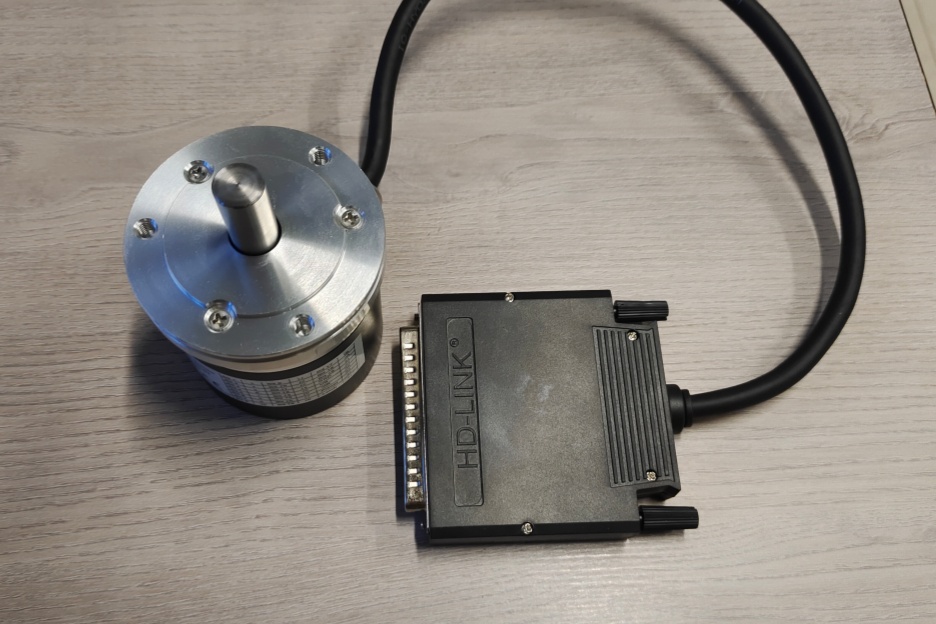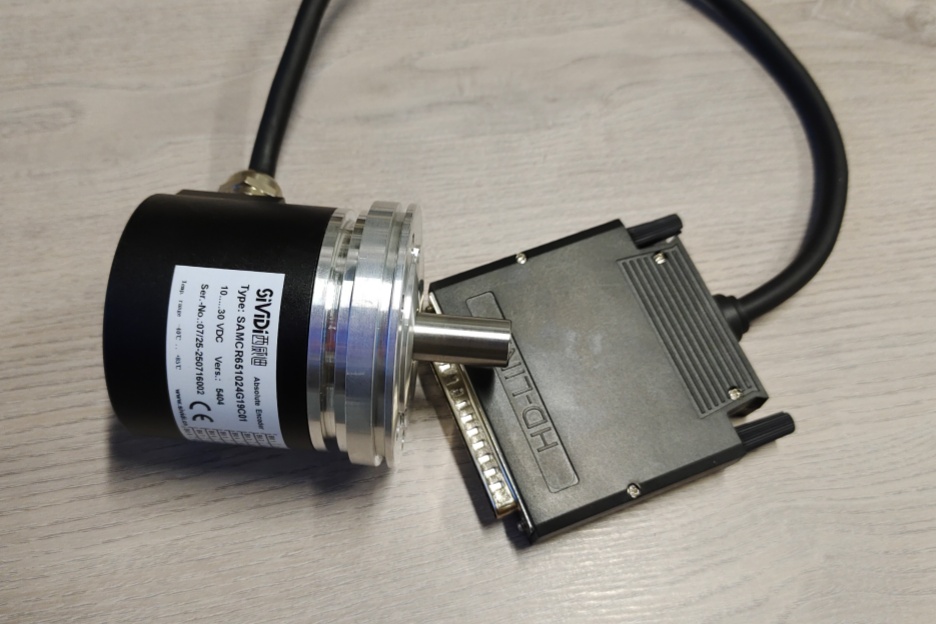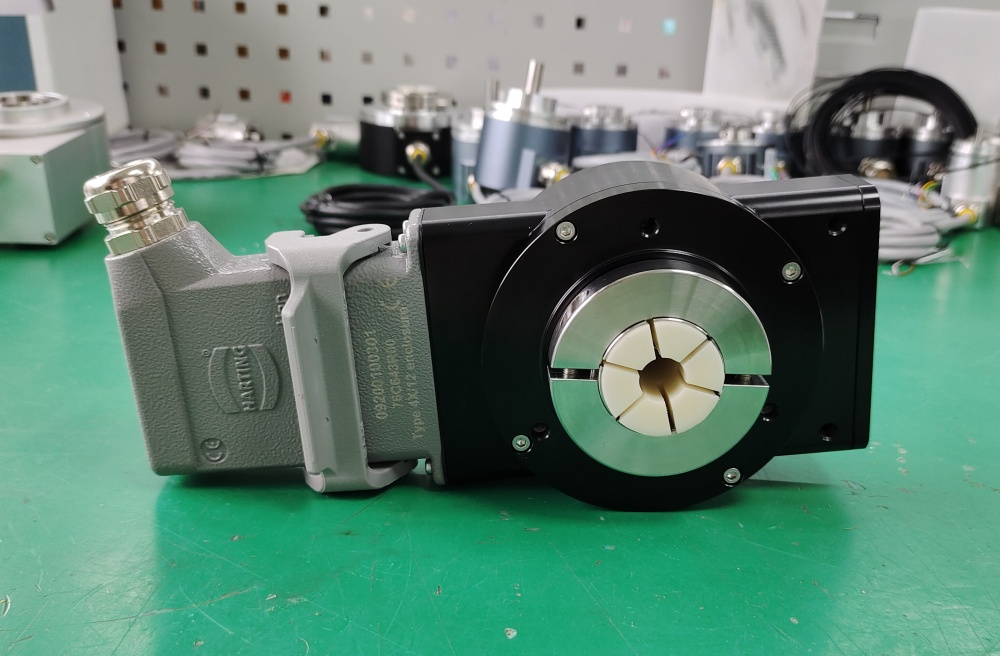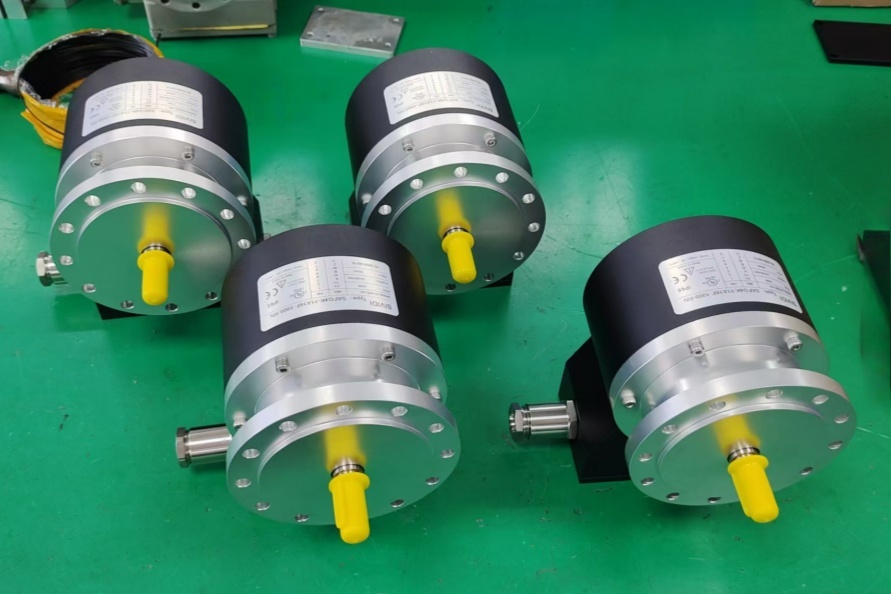

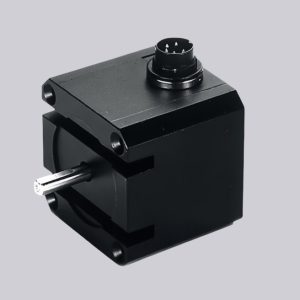



A custom compatible encoder solution can be provided for the 20-2951-200 encoder to support integration in industrial automation systems. This rotary encoder is commonly used to deliver incremental position feedback for motion control equipment where stable rotational monitoring is required. Reliable encoder signals allow control systems to regulate speed, track mechanical movement, and maintain synchronized machine operation.
Technical Overview of the 20-2951-200 Encoder
The 20-2951-200 encoder operates using an incremental measurement principle that converts shaft rotation into digital pulse signals. Each pulse corresponds to a defined angular displacement, enabling motion controllers to determine position and speed by counting signal transitions. Incremental encoders are widely used in automation environments where continuous motion monitoring is required.
In a typical configuration, the encoder produces quadrature A and B output signals together with a reference pulse used as an index position during each shaft rotation. With a resolution of 200 pulses per revolution, the encoder provides stable feedback suitable for machinery that requires moderate positioning accuracy and reliable speed detection.
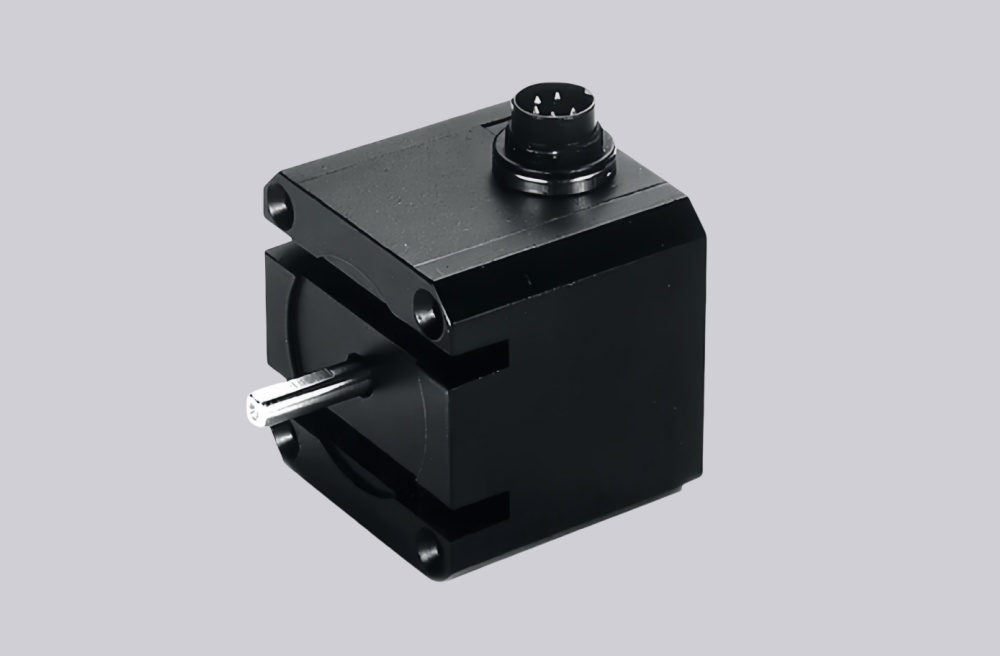
The mechanical structure of the encoder is designed for industrial installation. A rigid housing and shaft interface allow the encoder to be mounted securely on machine frames or drive assemblies. This structure ensures stable rotation transmission from the machine shaft to the sensing mechanism.
Typical Industrial Applications of the 20-2951-200 Encoder
Incremental rotary encoders are widely used in automated production equipment. In manufacturing lines, rotary encoders monitor the rotation of conveyor drives and indexing mechanisms. The feedback signals allow controllers to coordinate product movement and maintain consistent production timing.
Packaging machinery also frequently uses incremental encoders to track the rotation of feed rollers and transport mechanisms. Accurate position feedback ensures that packaging material movement remains synchronized with sealing, cutting, and product positioning processes.
Material handling equipment represents another common application. Conveyors and lifting systems rely on rotary encoders to monitor drive shaft rotation and regulate movement speed. Continuous pulse feedback allows controllers to maintain stable operation under changing mechanical loads.
Compatible Encoder Solution
A custom compatible encoder solution can be provided for systems currently using the 20-2951-200 encoder. These solutions focus on maintaining mechanical and electrical compatibility with existing installations so that replacement or integration can be performed without significant equipment modification.
Mechanical compatibility typically includes matching shaft diameter, mounting geometry, and installation dimensions. Maintaining these parameters allows the encoder to be installed directly within the existing mechanical structure.
Electrical compatibility is equally important. Output signal characteristics such as incremental pulse signals, voltage levels, and channel configuration must match the requirements of the connected control system. Ensuring this compatibility allows controllers to process encoder feedback without changes to control logic.
Integration Considerations
Proper alignment between the encoder shaft and the driven shaft is important for stable operation. Misalignment can introduce mechanical stress and reduce measurement reliability. Flexible couplings are commonly used to accommodate minor alignment variations and reduce vibration transmission.
Electrical installation should follow good industrial practice. Shielded cables and appropriate grounding help maintain reliable signal transmission and reduce interference within industrial control environments.
Summary
The 20-2951-200 encoder provides reliable incremental motion feedback for industrial automation systems. Through stable pulse generation and durable mechanical construction, the encoder supports accurate monitoring of rotational movement in a wide range of machinery. Compatible encoder solutions allow reliable integration for equipment maintenance, retrofit, or system upgrade projects.