



Introduction
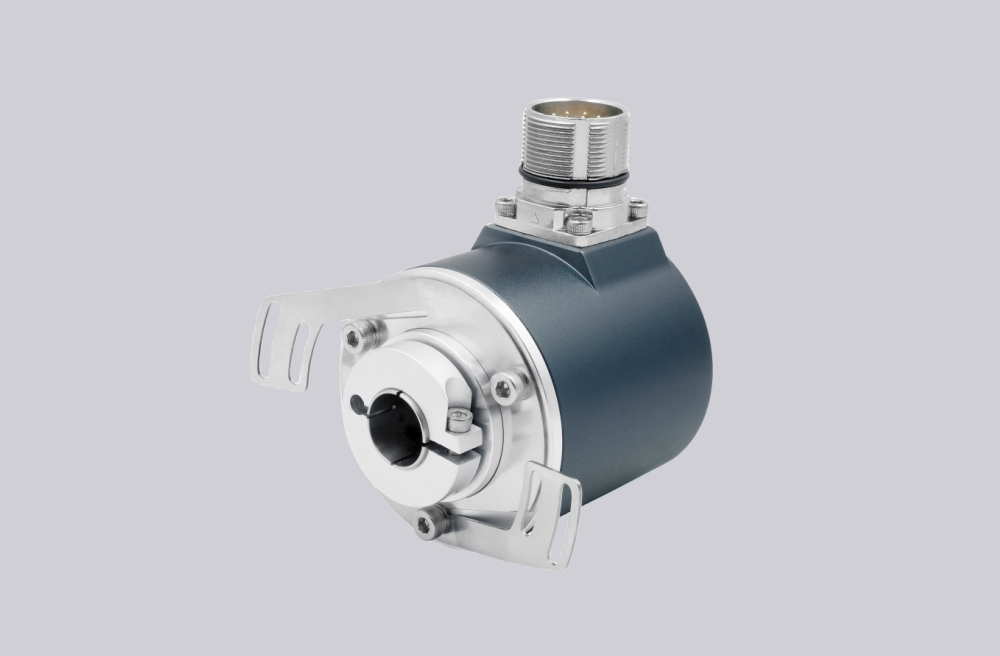
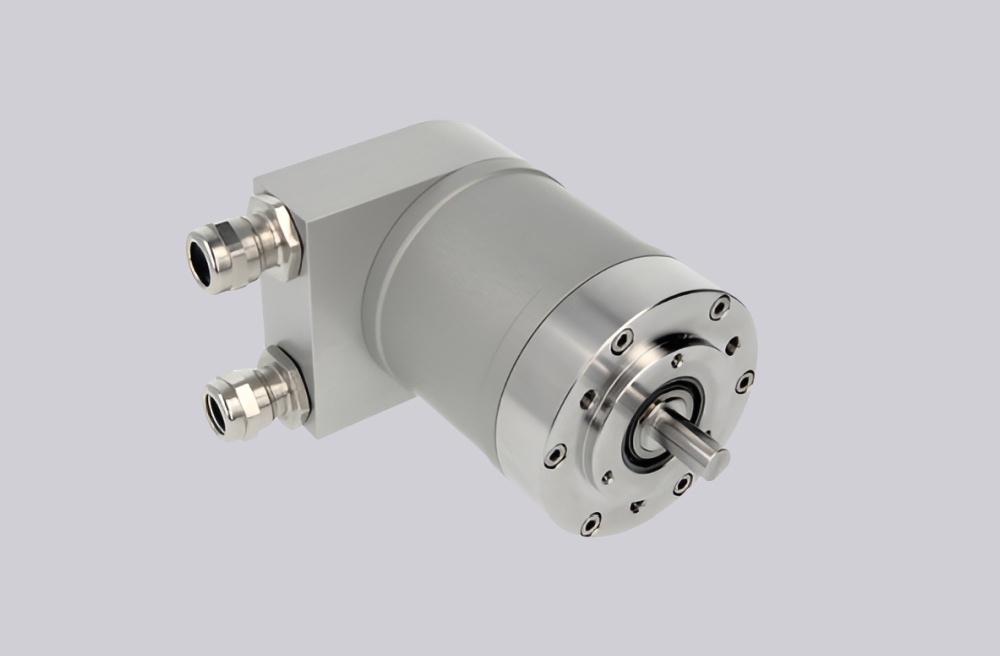
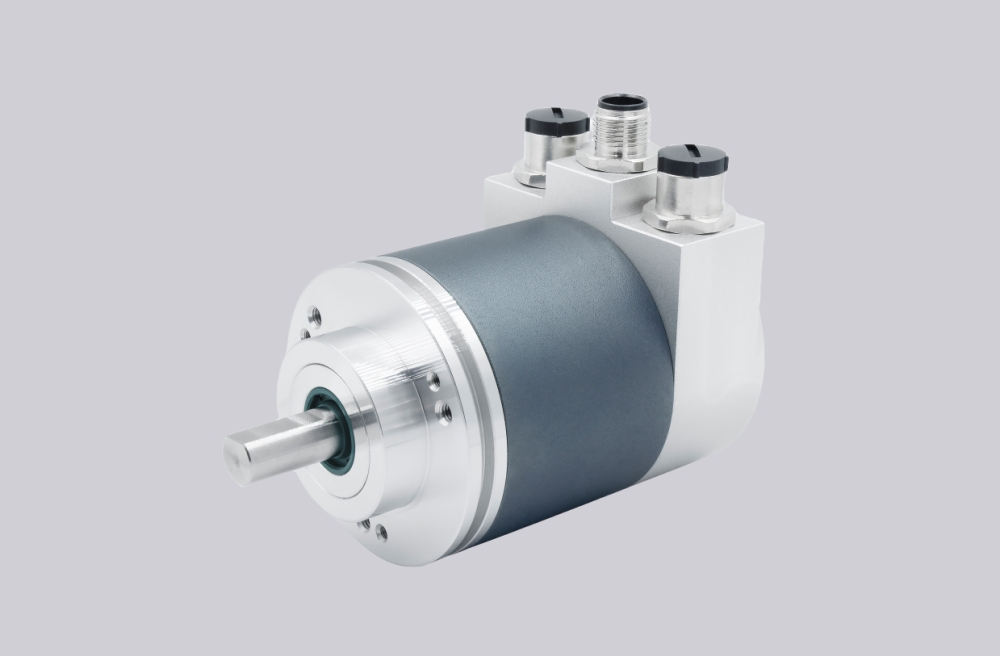
A custom compatible encoder solution can be provided for the CR65-4096G21C01 encoder used in industrial automation and motion control systems. Absolute rotary encoders are widely applied in machinery where precise angular position detection is required for reliable system control. By generating a unique digital value for each shaft position, the encoder allows the control system to determine the exact position immediately after power-up.
Technical Overview of the CR65-4096G21C01 Encoder
The CR65-4096G21C01 encoder operates using an optical absolute measurement principle that converts mechanical rotation into digital position data. Absolute encoder technology differs from incremental sensing because each angular position corresponds to a unique code value, allowing the control system to identify the exact shaft position without referencing previous movement.
This encoder configuration typically provides 4096 positions per revolution, enabling precise monitoring of angular displacement in automation equipment. Multi-turn capability allows the encoder to track multiple revolutions of the shaft, making it suitable for systems where long travel distances or continuous rotational motion must be measured.
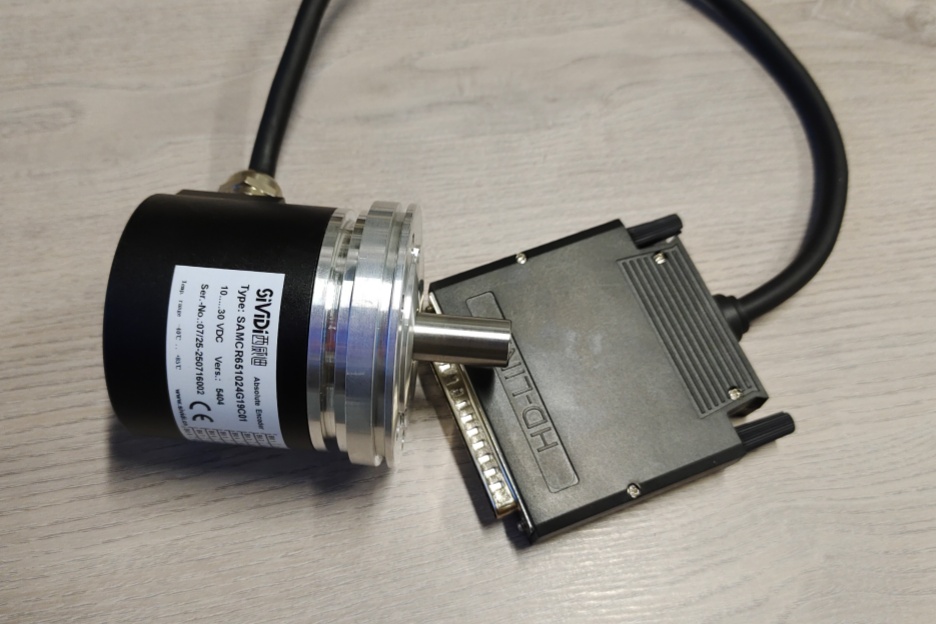
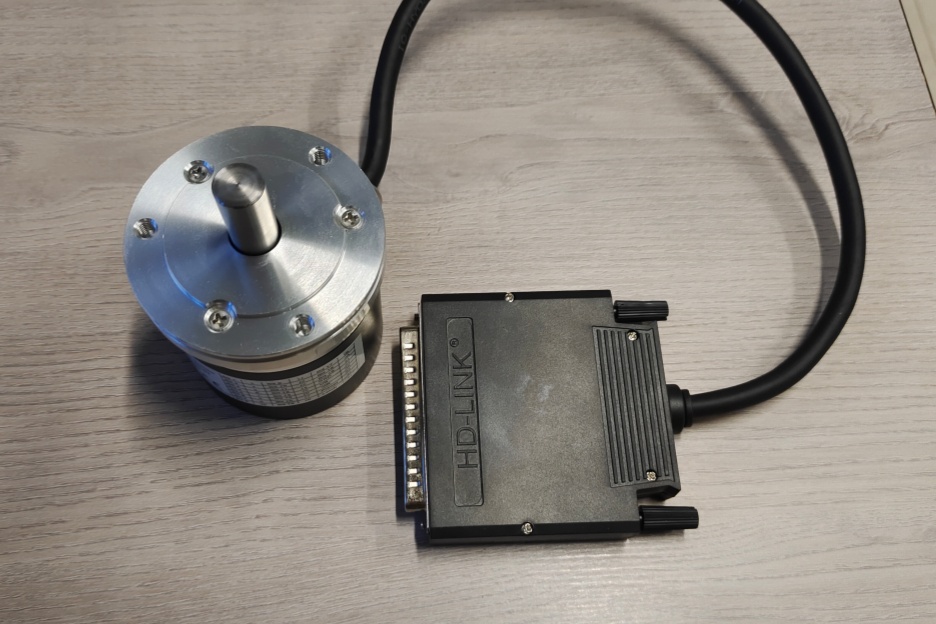
The optical sensing system inside the encoder uses coded discs and photoelectric detection to produce stable position signals. These signals are transmitted through a serial communication interface, which allows reliable digital data transfer between the encoder and the motion controller.
Mechanically, the encoder is designed for installation in industrial machinery where stable mounting and durable operation are required. The shaft assembly transmits rotational movement directly from the machine drive system to the sensing mechanism, ensuring accurate measurement under continuous operation.
Typical Industrial Applications
Absolute rotary encoders are commonly used in automation systems that require reliable position feedback. In automated production equipment, encoders monitor the angular position of drive shafts, rotary tables, or indexing mechanisms. This feedback allows controllers to coordinate machine movement and maintain consistent production cycles.
Packaging and processing machinery also rely on absolute encoders to maintain synchronization between mechanical movements and production sequences. Because absolute encoders retain position information after power interruptions, machines can resume operation without complex recalibration procedures.
Material handling systems represent another important application area. Conveyors, lifting equipment, and automated transport systems use position feedback to regulate motion speed and maintain accurate positioning of mechanical components.
Compatible Encoder Solution
A compatible encoder solution can be provided for installations using the CR65-4096G21C01 encoder. These solutions are designed to maintain compatibility with the original mechanical and electrical configuration of the system.
Mechanical compatibility typically involves matching shaft dimensions, mounting flange geometry, and installation interfaces. Maintaining these parameters allows the encoder to be installed without modifying the machine structure.
Electrical compatibility is also essential. The encoder interface must match the signal format and communication protocol required by the motion controller. Ensuring correct signal integration allows the control system to process position data reliably.
Integration Considerations
Correct mechanical alignment between the encoder shaft and the machine drive shaft is important to ensure accurate measurement. Flexible couplings are often used to compensate for minor alignment variations and reduce mechanical stress on the encoder.
Electrical installation should follow standard industrial practices. Shielded cables and proper grounding techniques help protect the encoder signals from interference within industrial environments.
Summary
The CR65-4096G21C01 encoder provides reliable absolute position feedback for industrial automation systems. Through its optical sensing technology and digital communication capability, the encoder enables accurate monitoring of rotational position in a wide range of machinery. Compatible encoder solutions can support maintenance, retrofit, and system upgrade projects while ensuring stable operation in demanding industrial environments.