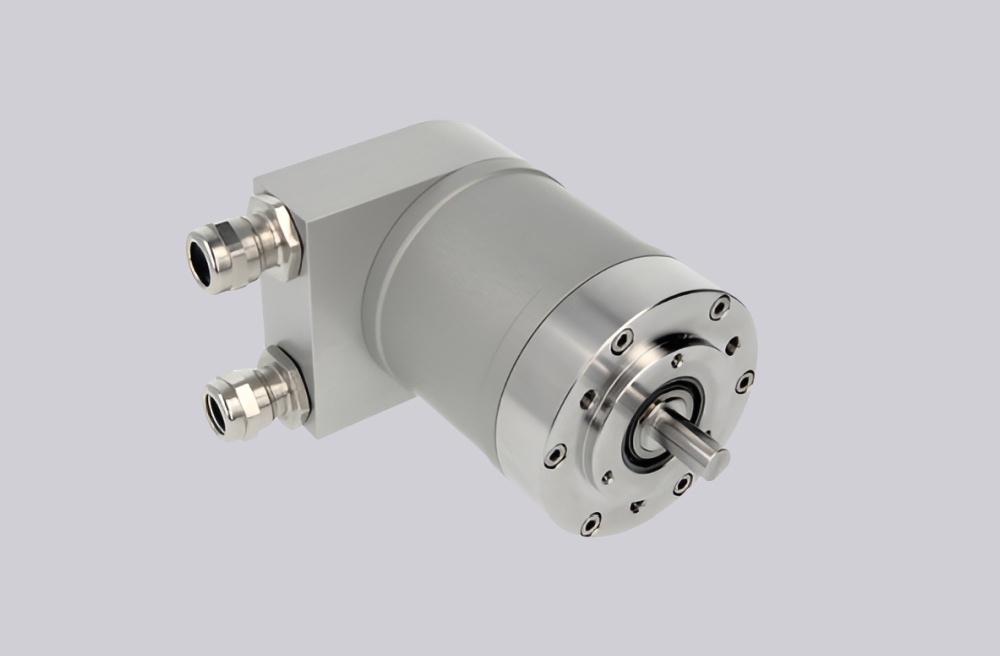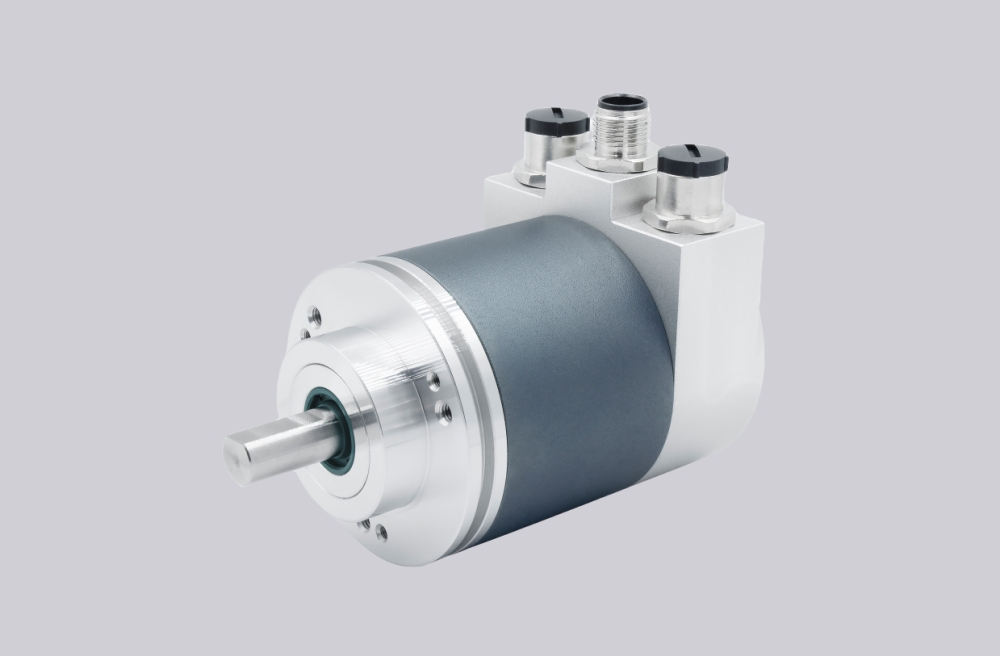




A custom compatible encoder solution can be provided for systems using the CR65-1024G22C47 encoder in industrial automation equipment. Encoders in this configuration are generally installed where rotational position must be monitored with consistent accuracy during machine operation. Because the encoder uses an absolute measurement principle, the control system can read the shaft position directly without requiring a reference movement after power-up.
Technical Overview of the CR65-1024G22C47 Encoder
The CR65-1024G22C47 encoder converts rotational motion into digital position data through an optical sensing mechanism. Inside the housing, a coded disc rotates together with the shaft while optical detectors read the pattern on the disc surface. Each angular position corresponds to a specific digital code, allowing the control system to determine shaft position directly.
This encoder configuration provides 1024 positions per revolution, offering a stable balance between measurement resolution and signal reliability. Absolute coding ensures that the shaft position can always be identified immediately, even if the system experiences a power interruption.
Multi-turn capability allows the encoder to track several revolutions of the shaft. This feature is useful in applications where mechanical movement extends beyond a single rotation, such as lifting systems, indexing equipment, or rotary positioning devices.
Position information is normally transmitted through a digital interface suitable for industrial automation systems. Serial communication simplifies system wiring and helps maintain stable signal transmission between the encoder and the control unit.
The mechanical structure of the encoder is designed for installation in industrial machinery where vibration resistance and long-term durability are required. The shaft assembly transfers rotation from the drive system to the sensing components, allowing accurate measurement during continuous operation.
Typical Industrial Applications
In automated production equipment, encoders such as the CR65-1024G22C47 are commonly used to monitor the position of rotating machine elements. Feedback from the encoder allows motion controllers to synchronize different stages of the manufacturing process.
Packaging systems frequently use position feedback devices to maintain coordination between machine movements and product handling operations. Accurate rotational measurement helps ensure consistent cycle timing.
Material handling systems also rely on rotary encoders to regulate movement and positioning. Conveyors, lifting equipment, and automated transport systems depend on position feedback to maintain stable motion control.
Compatible Encoder Solution
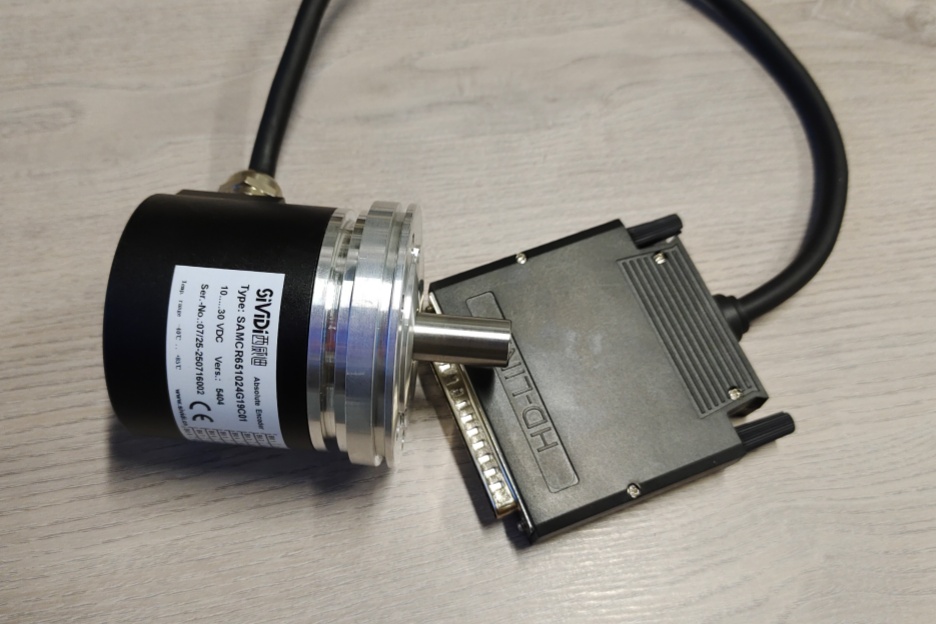
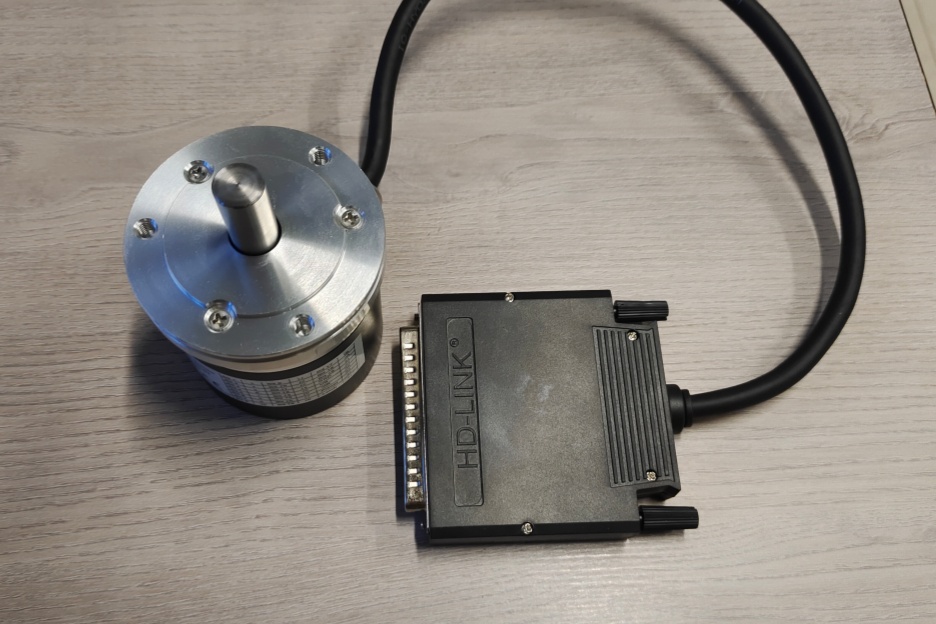
A compatible encoder solution can be provided for machinery currently using the CR65-1024G22C47 encoder. These solutions are designed to maintain compatibility with the original mechanical and electrical configuration of the equipment.
Mechanical compatibility generally involves matching shaft dimensions, mounting structure, and installation geometry. Maintaining these parameters allows the encoder to be installed without modifying the machine structure.
Electrical compatibility is equally important. The encoder interface must match the signal format and communication requirements of the motion controller so that position data can be interpreted correctly.
Integration Considerations
During installation, the encoder shaft should be aligned carefully with the machine drive shaft. Flexible couplings are commonly used to reduce mechanical stress and compensate for minor alignment deviations.
Electrical wiring should follow common industrial practices. Shielded cables and proper grounding help maintain stable signal transmission within industrial control environments.
Summary
The CR65-1024G22C47 encoder provides reliable absolute position feedback for industrial automation systems. Its optical sensing design and digital communication interface allow motion control equipment to monitor rotational position accurately. Compatible encoder solutions support maintenance and retrofit projects while maintaining stable machine performance.