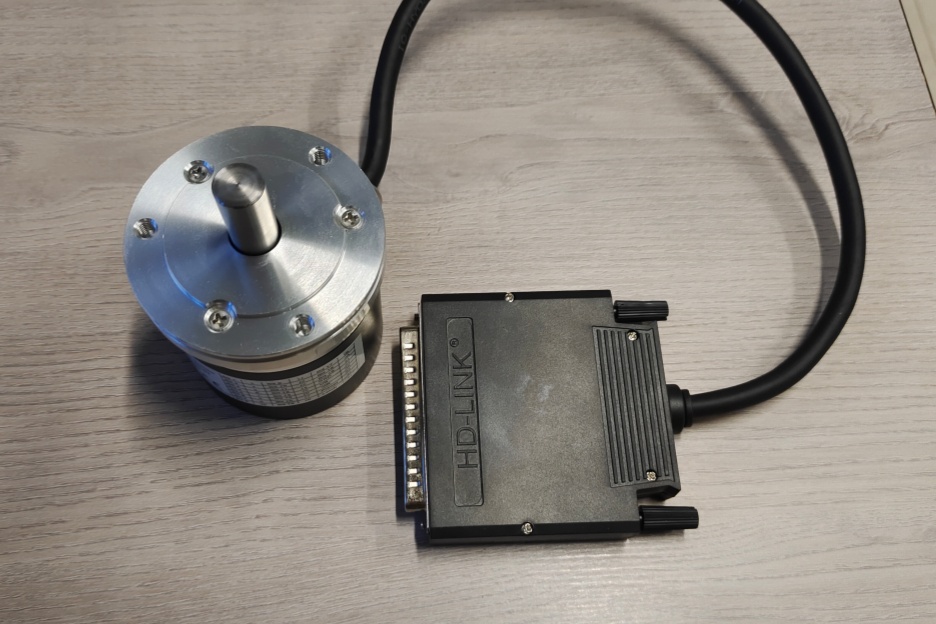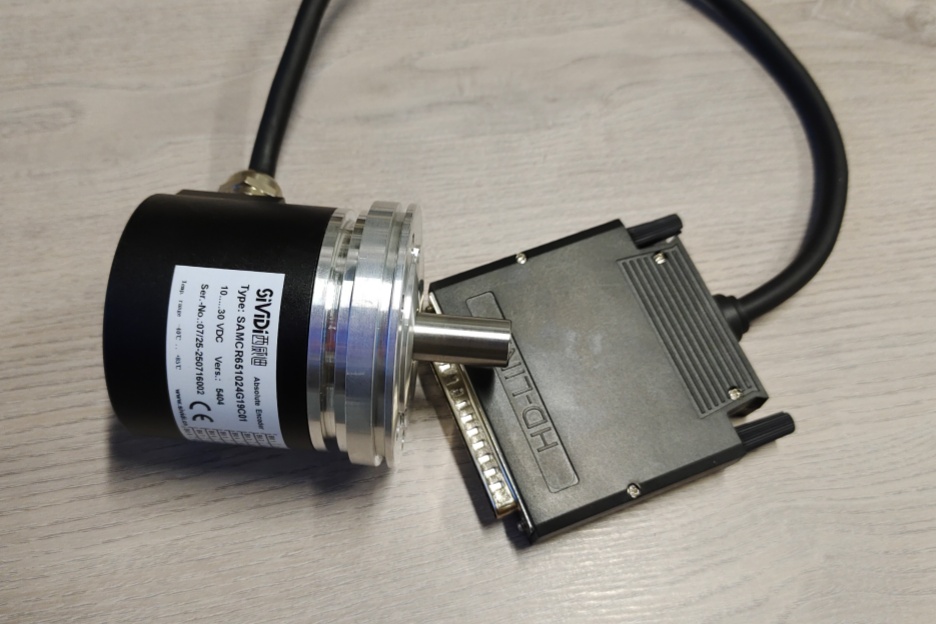

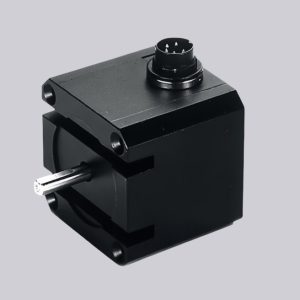



A custom compatible encoder solution can be provided for systems using the 20-2951-1000 and 20-2951-2500 encoders in industrial automation environments. These rotary encoders are typically applied where incremental position feedback is required to monitor rotating components and support accurate motion control. By generating stable pulse signals during shaft rotation, the encoder enables control systems to track mechanical movement and maintain coordinated machine operation.
Technical Overview of the Encoder
The 20-2951-1000 and 20-2951-2500 encoders operate using an incremental measurement principle that converts rotational motion into digital pulse outputs. Each pulse represents a defined angular displacement of the shaft, allowing motion controllers to determine relative position and rotational speed by counting signal transitions. This incremental feedback method is widely used in automation systems where continuous monitoring of rotating components is required.
Both encoder configurations produce quadrature output signals that allow the control system to detect movement direction and displacement through signal phase comparison. The difference between the two variants lies mainly in their resolution. The 20-2951-1000 provides 1000 pulses per revolution, offering accurate feedback for many standard motion control tasks, while the 20-2951-2500 delivers a higher pulse density suitable for applications requiring finer rotational measurement.
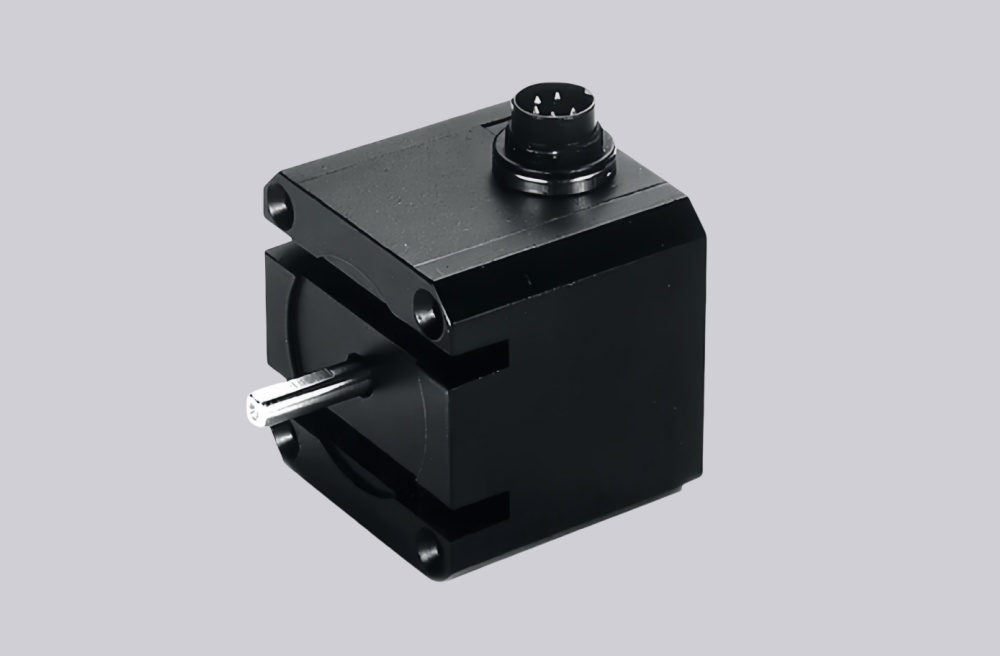
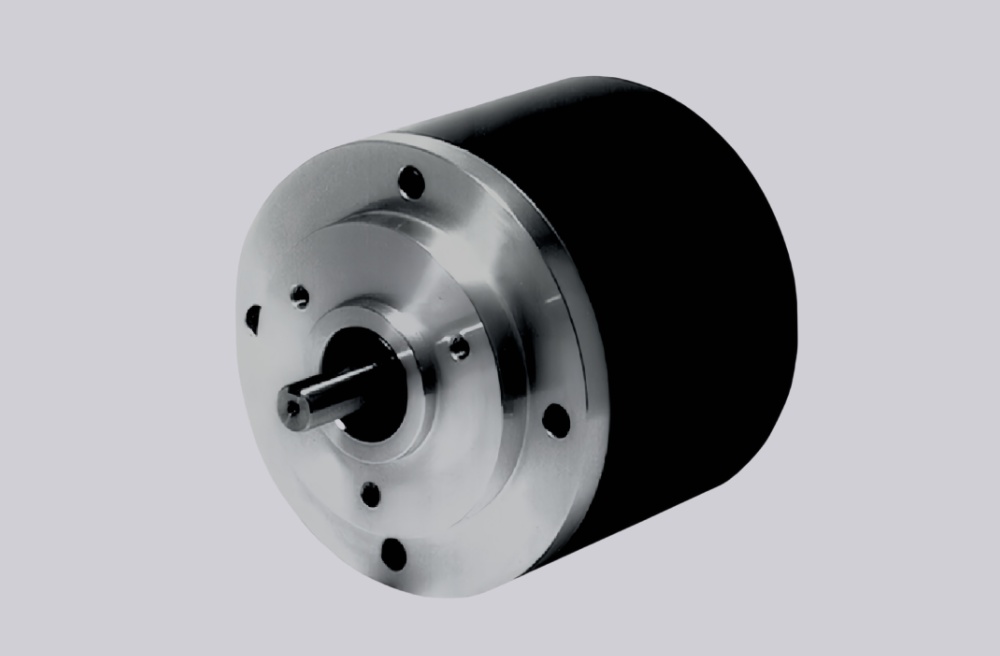
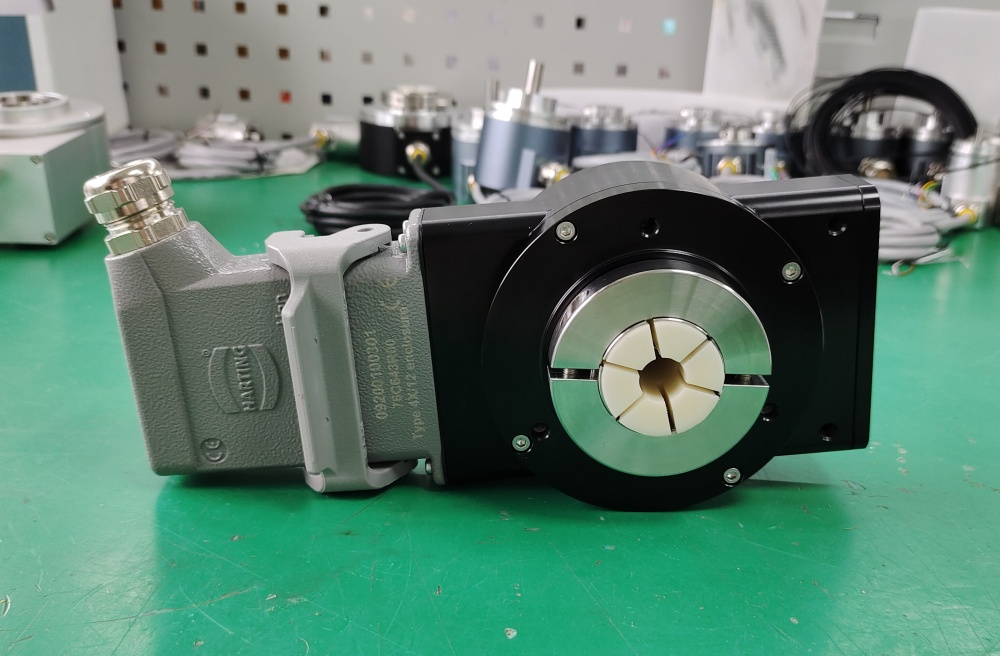
From a mechanical standpoint, the encoder structure is designed for installation within industrial machinery. A stable shaft interface transfers rotational movement directly from the machine drive system to the internal sensing mechanism. The housing construction supports installation on machine frames, profiles, or equipment structures where reliable motion feedback is required.
Typical Industrial Applications
Incremental rotary encoders are commonly used in automation systems where rotating machinery must be monitored continuously. In automated production lines, encoders track the rotation of motors and conveyor drives. Feedback signals help the control system synchronize different machine processes and maintain stable production timing.
Packaging equipment represents another common application area. Rotary encoders measure the movement of rollers and drive shafts responsible for transporting packaging material. Accurate pulse signals ensure that machine cycles remain synchronized during filling, sealing, or cutting operations.
Material handling systems also rely on incremental feedback devices. Conveyors, lifting mechanisms, and transport equipment frequently use rotary encoders to regulate movement speed and maintain stable positioning during operation. Continuous pulse output allows controllers to adjust drive performance according to load conditions.
Compatible Encoder Solution
A custom compatible encoder solution can be provided for installations currently using the 20-2951-1000 or 20-2951-2500 encoders. These solutions are designed to maintain mechanical and electrical compatibility with existing equipment so that integration can be performed without extensive modifications.
Mechanical compatibility focuses on maintaining shaft dimensions, mounting configuration, and installation geometry. Matching these parameters allows the encoder to be installed within the existing mechanical arrangement without redesigning the machine structure.
Electrical compatibility is also essential. The encoder signals must match the input requirements of the connected control system, including incremental signal format, voltage characteristics, and channel configuration. Ensuring signal compatibility allows motion controllers to interpret feedback accurately without requiring changes to the control architecture.
Integration Considerations
When integrating a rotary encoder into an industrial system, careful attention should be given to mechanical alignment between the encoder shaft and the machine drive shaft. Proper alignment helps reduce mechanical stress and ensures stable measurement during operation.
Electrical installation practices also influence encoder reliability. Shielded cables and appropriate grounding methods are typically used to reduce interference and maintain consistent signal transmission in industrial control environments.
Summary
The 20-2951-1000 and 20-2951-2500 encoders provide incremental motion feedback for industrial automation systems that require reliable rotational monitoring. Their pulse-based measurement principle supports accurate speed detection and position tracking in a variety of machinery. Compatible encoder solutions can support straightforward integration in existing installations while maintaining stable performance in demanding industrial environments.