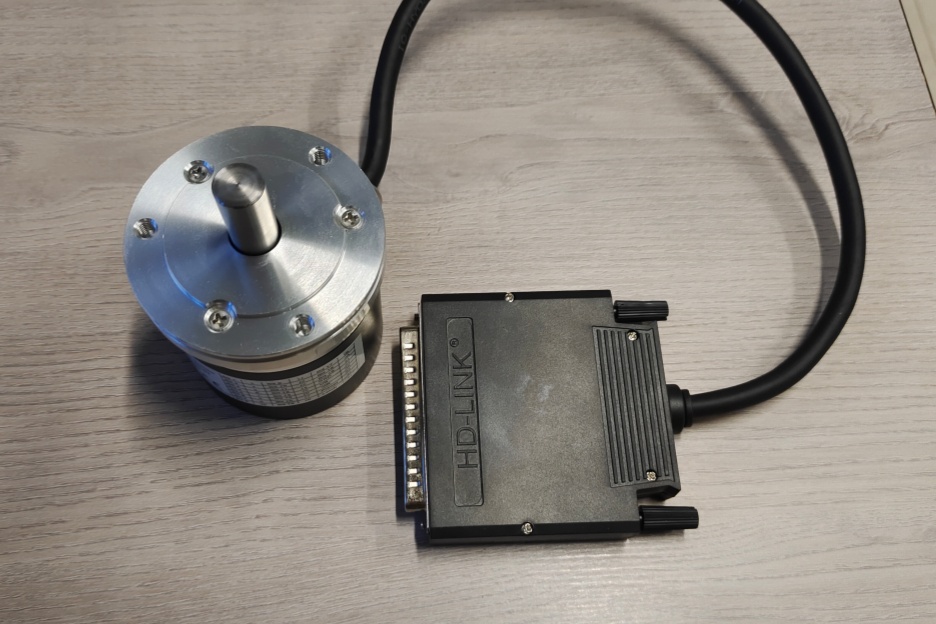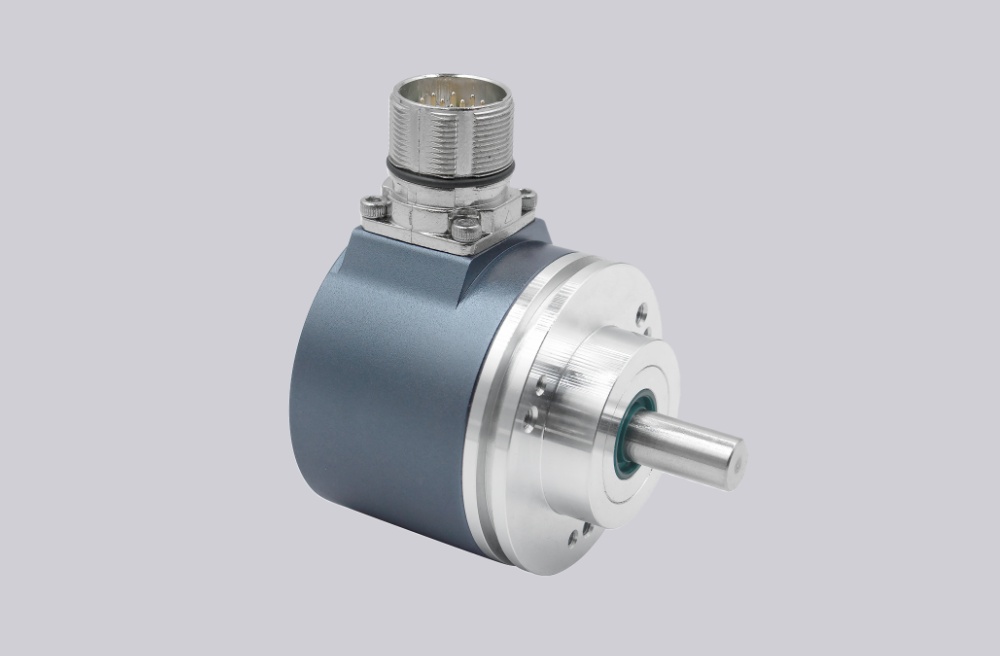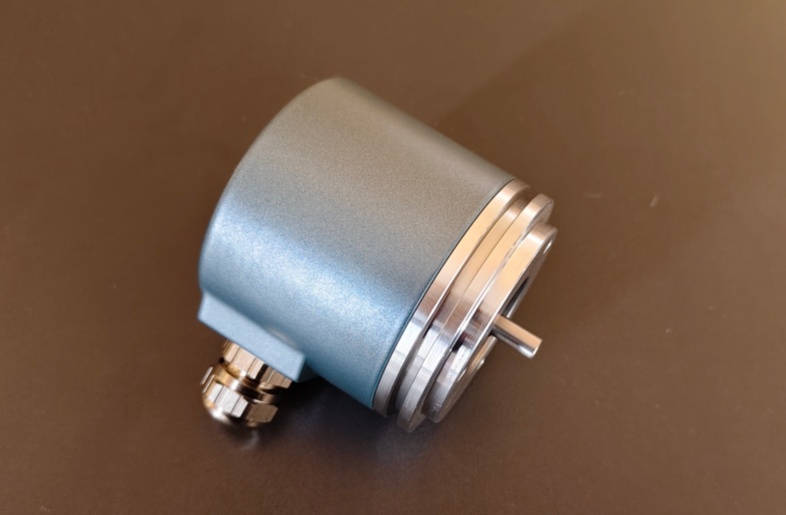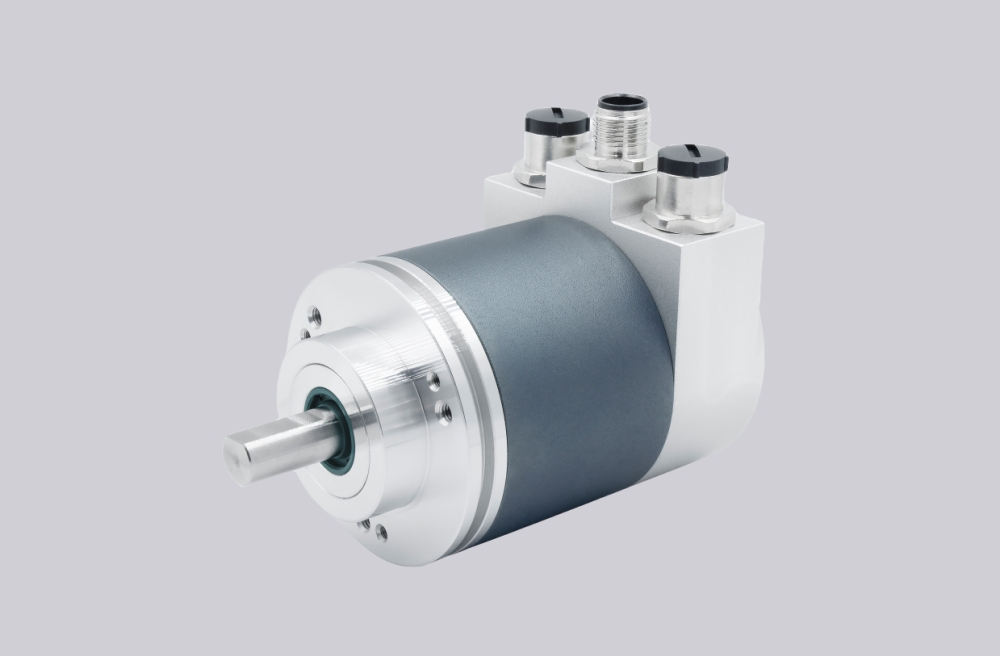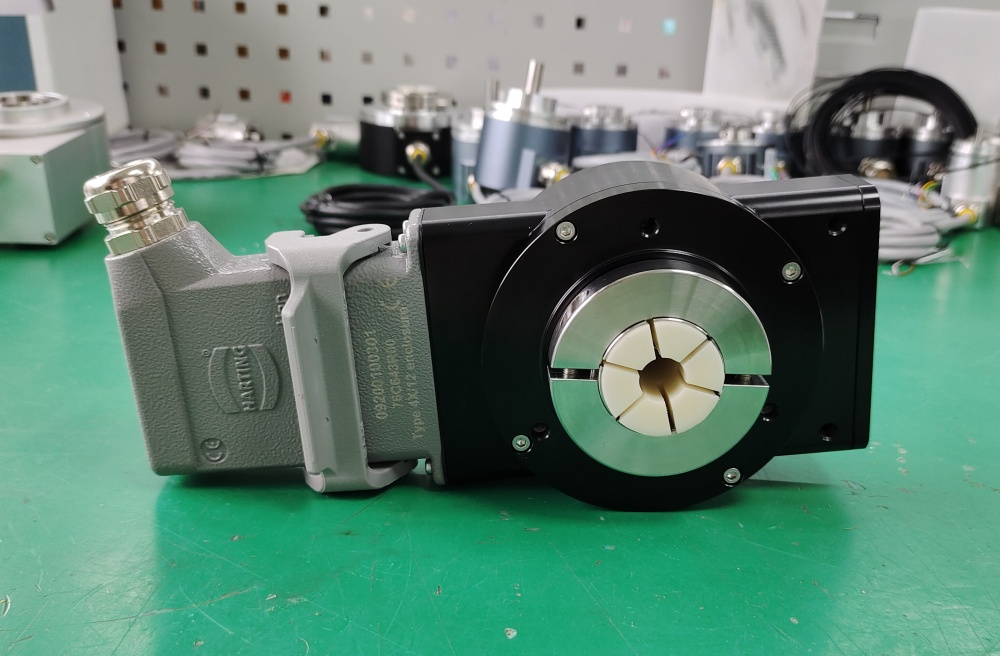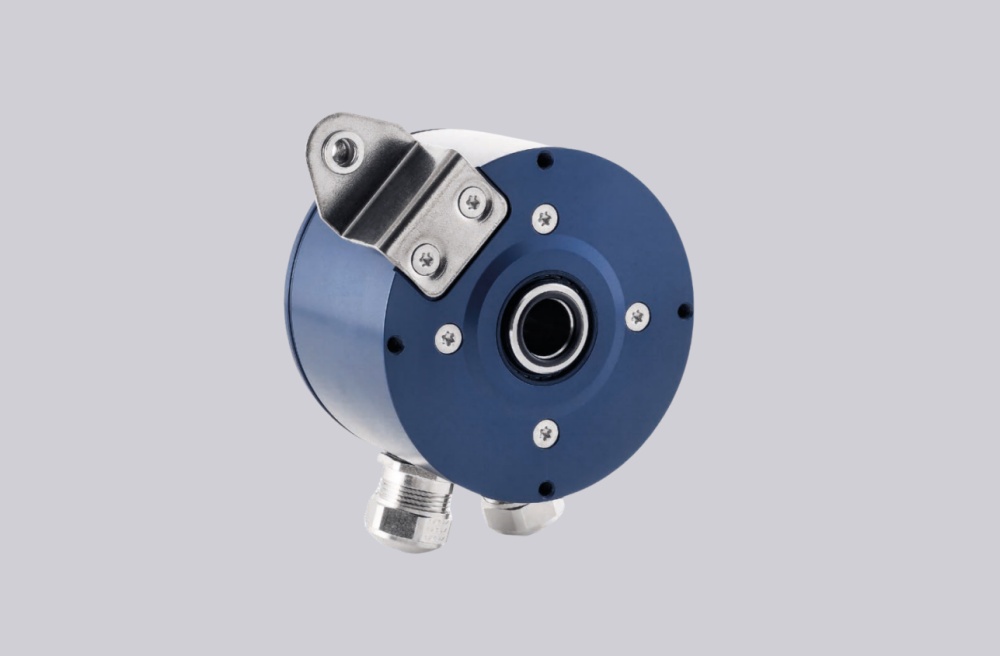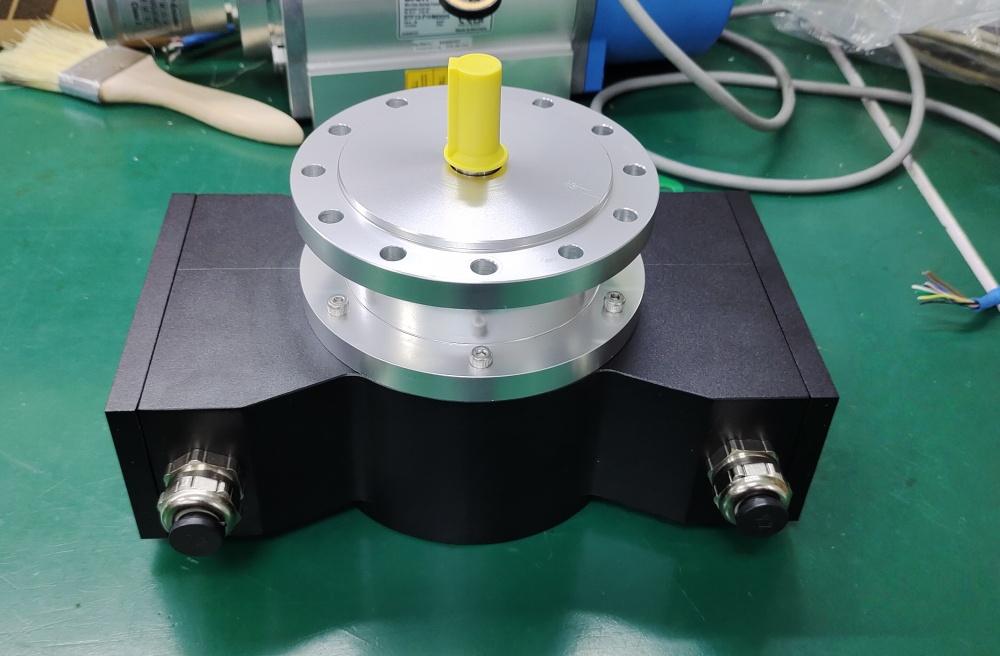




A custom compatible encoder solution can be provided for the POG10 D 2500 I encoder used in industrial motion control equipment and rotating machinery. This engineering service is designed to support equipment maintenance or system upgrades when the required encoder configuration is difficult to obtain. Through customized development and mechanical adaptation, a compatible encoder can typically be delivered with a production lead time of approximately 10–15 working days, allowing industrial systems to resume operation with minimal interruption.
Technical Overview of the POG10 D 2500 I Encoder
The POG10 D 2500 I is an incremental rotary encoder that converts rotational movement into digital pulse signals. The sensing mechanism typically uses an optical detection system where a coded disc rotates together with the shaft. As the disc rotates, optical sensors generate electrical signals representing the angular movement of the shaft.
A resolution of 2500 pulses per revolution (PPR) allows the encoder to provide accurate speed and position feedback in motion control systems. Incremental encoders commonly output quadrature signals, enabling the control system to determine rotational direction and speed by interpreting phase differences between output channels.
In industrial automation equipment, this type of encoder is often installed directly on drive shafts, motors, or transmission assemblies. The mechanical interface transfers rotational movement to the sensing element while maintaining stable signal generation under continuous operation.
Industrial Integration Considerations
Industrial machines often require encoder integration that matches specific mechanical and electrical conditions. When installing devices such as the POG10 D 2500 I, the shaft alignment and mounting configuration must correspond with the existing machine structure.
Mechanical coupling between the machine shaft and the encoder shaft should be designed to reduce stress on the sensing assembly. Flexible couplings are frequently used to compensate for minor misalignment and vibration within industrial machinery.
Electrical integration is also an important factor. Incremental encoder signals are typically transmitted to motion controllers or industrial drive systems through shielded cables to maintain signal stability in environments where electromagnetic interference may occur.
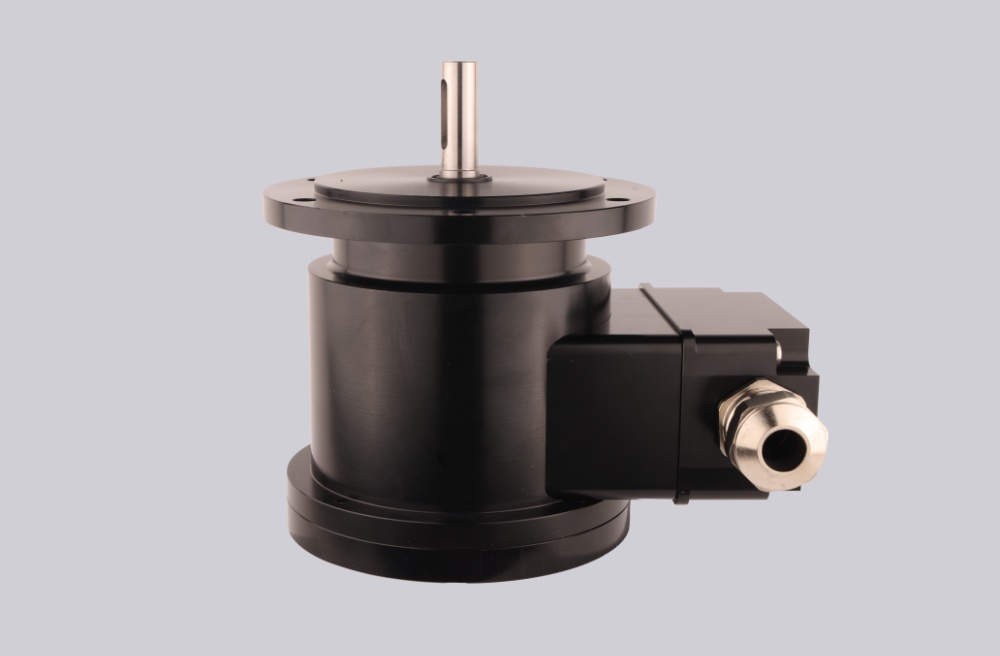
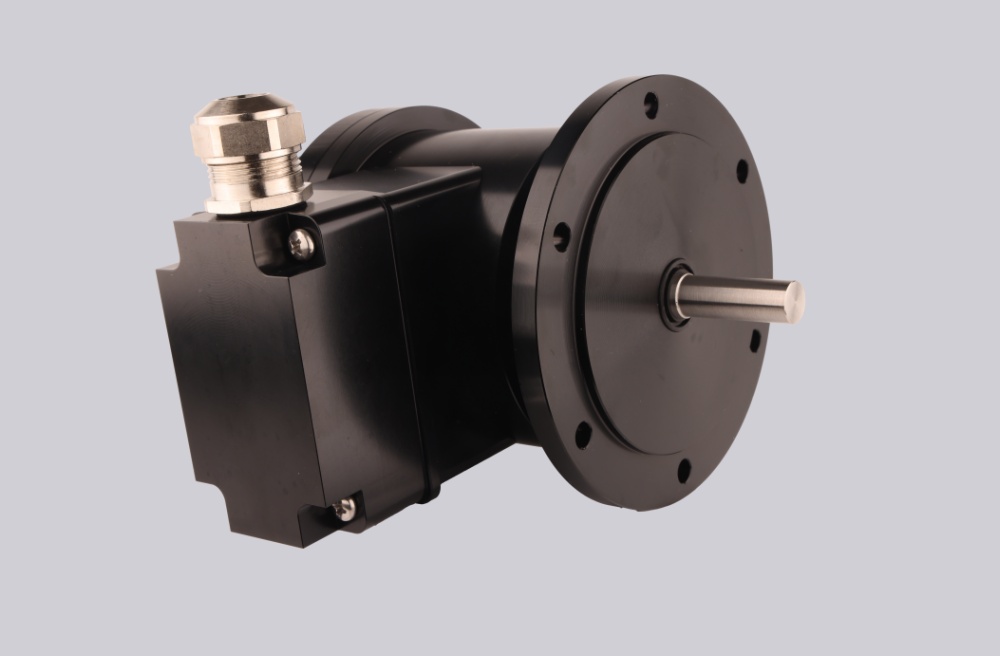
Custom Compatible Encoder Solution
A custom compatible encoder solution can be developed for systems currently using the POG10 D 2500 I configuration. The purpose of this solution is to maintain compatibility with the existing installation environment while providing reliable motion feedback.
Engineering compatibility typically includes matching shaft diameter, mounting dimensions, electrical signal format, and connector type. Maintaining these parameters allows the encoder to operate within the existing control architecture without requiring extensive equipment modification.
Additional customization may include adjustments to mechanical interfaces or signal configurations depending on the specific requirements of the industrial system.
Lead Time and Custom Development
Custom compatible encoder production typically requires 10–15 working days under normal manufacturing conditions. This relatively short lead time allows maintenance teams to restore equipment functionality without long procurement delays.
During the customization process, engineering review can confirm installation dimensions, signal requirements, and environmental conditions to ensure the encoder solution matches the operational requirements of the equipment.
Typical Technical Parameters
| Parameter | Specification |
|---|---|
| Encoder Type | Incremental Rotary Encoder |
| Resolution | 2500 PPR |
| Output Signal | Incremental A/B Channels |
| Supply Voltage | 10–30 VDC |
| Shaft Type | Solid Shaft |
| Protection Rating | IP65 |
| Operating Temperature | -20°C to +85°C |