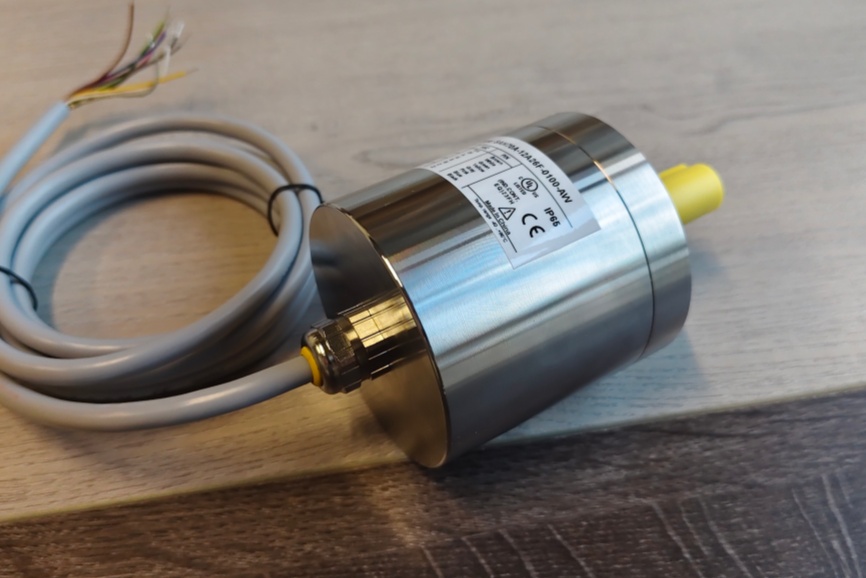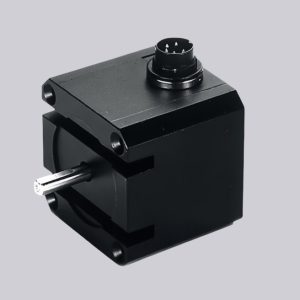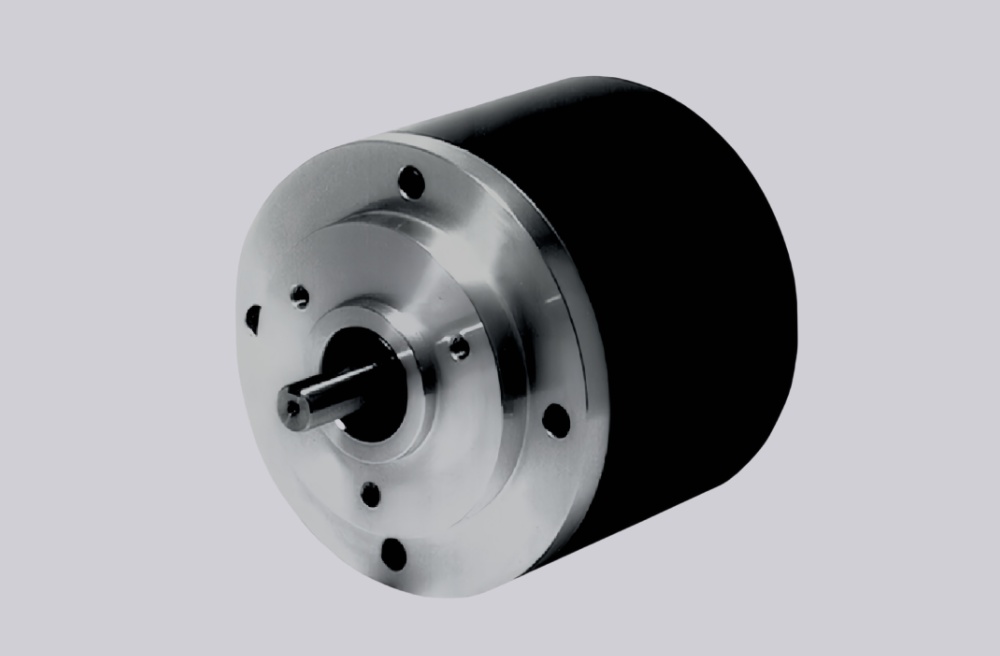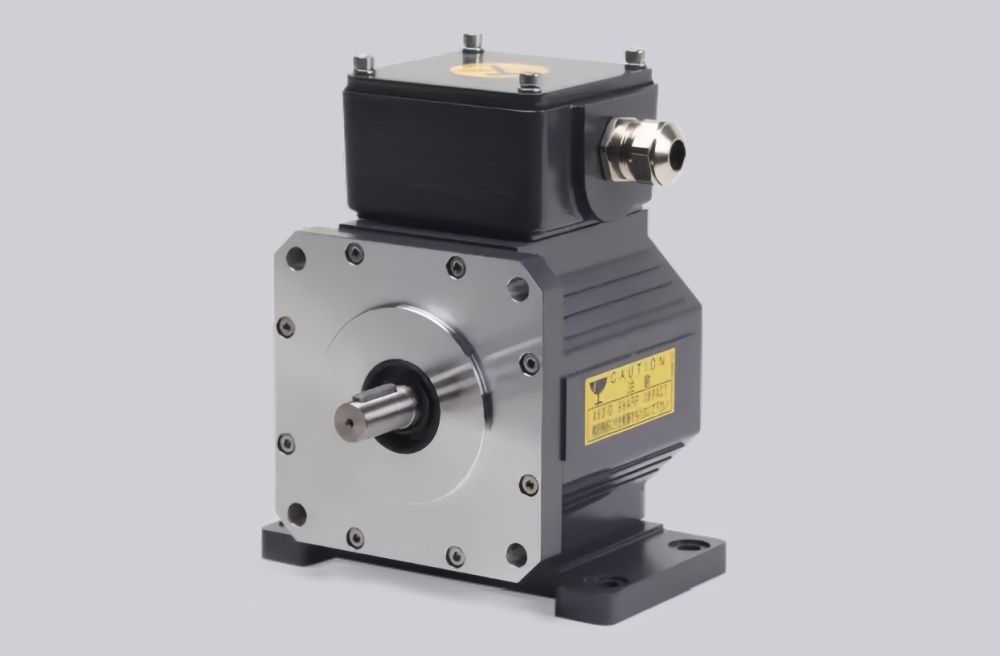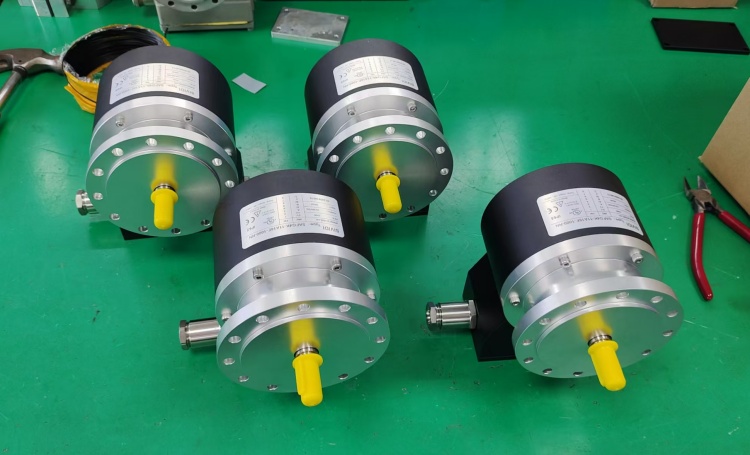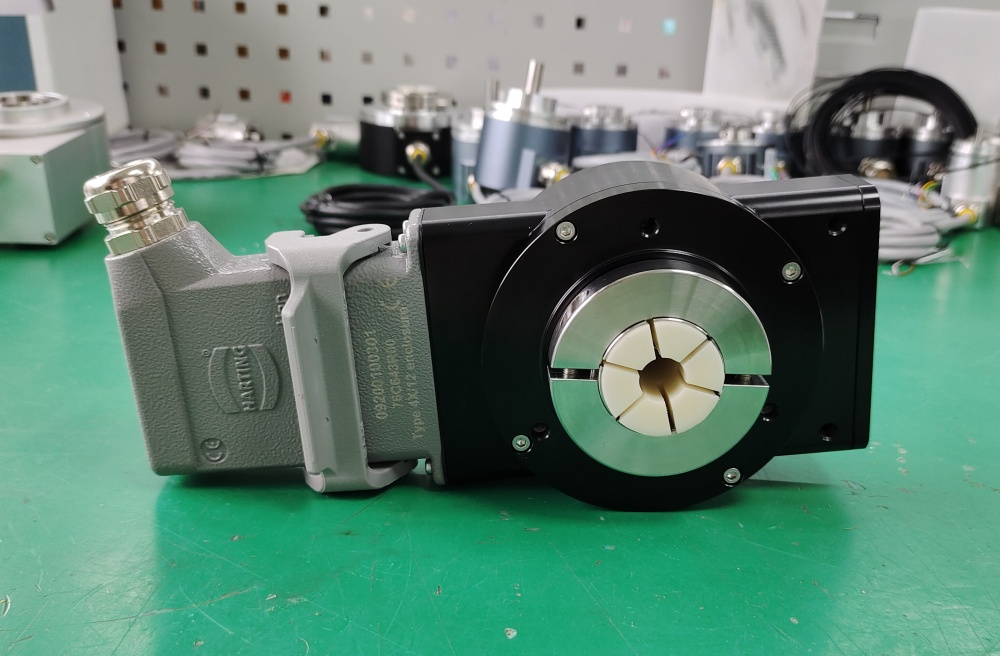




A custom compatible encoder solution can be provided for the POG 9G D 1000 / DN 1024 TTL twin incremental encoder configuration used in industrial motion monitoring systems. This engineering service is intended for maintenance teams and system integrators who require a compatible encoder when reliable rotational feedback is needed for equipment operation. Through customized mechanical and electrical adaptation, a compatible encoder can typically be produced within 10–15 working days, allowing industrial machinery to resume normal operation with minimal delay.
Technical Overview of the POG 9G D 1000 / DN 1024 TTL Encoder
The POG 9G D 1000 / DN 1024 TTL configuration represents a twin incremental encoder architecture integrating two independent sensing systems within a single mechanical housing. Each sensing system operates using an optical detection principle where a coded disc rotates together with the shaft while optical sensors detect the pattern and generate electrical pulse signals.
In this configuration, the first encoder system provides 1000 pulses per revolution, while the second system generates 1024 pulses per revolution using a TTL output circuit. This arrangement allows two independent signal channels with slightly different resolutions to operate simultaneously for monitoring or control purposes.
Twin encoder designs are commonly used in industrial drive applications where redundant signals or independent monitoring channels are required. Both sensing systems share the same mechanical shaft while generating separate electrical outputs.
Industrial Integration Considerations
Integration of the POG 9G D 1000 / DN 1024 TTL encoder requires precise alignment between the encoder shaft and the machine drive shaft. Proper coupling ensures that rotational movement is transmitted accurately to both sensing systems.
Industrial installations may expose encoders to vibration, temperature fluctuations, and electromagnetic interference. Flexible couplings and robust mounting structures help maintain stable measurement conditions.
Electrical signal transmission should also be considered. Shielded cables and proper grounding help ensure reliable TTL signal communication between the encoder and the control system.
Custom Compatible Encoder Solution
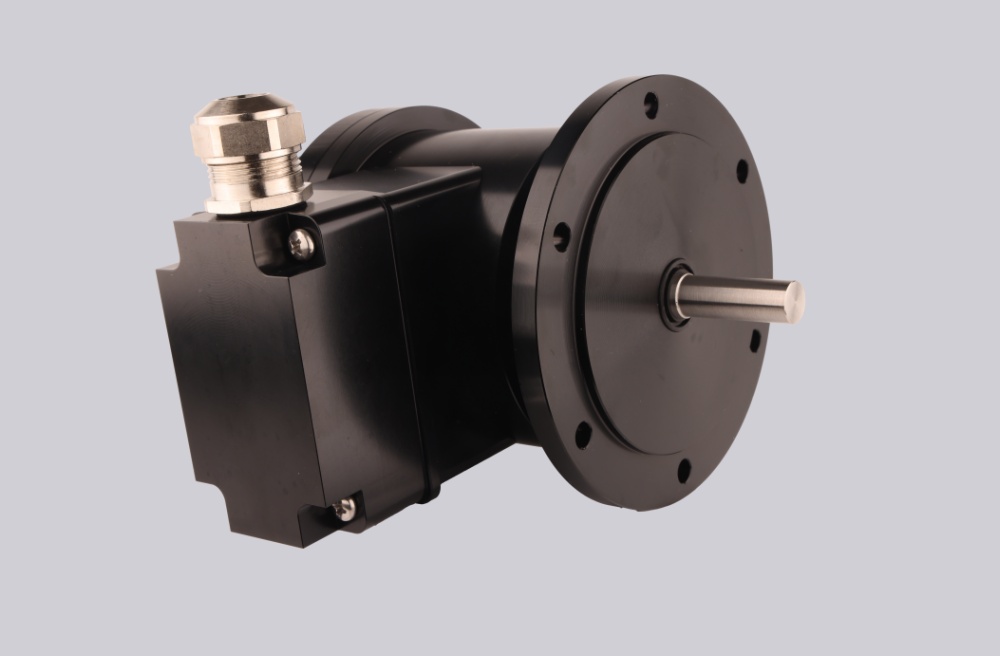
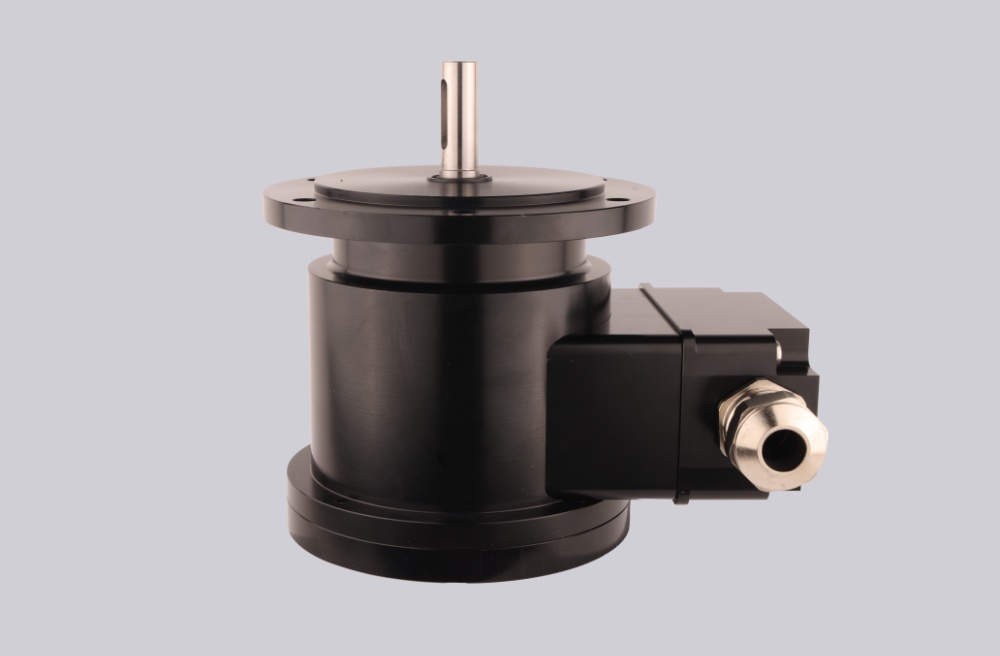
A custom compatible encoder solution can be engineered for systems currently using the POG 9G D 1000 / DN 1024 TTL configuration. The objective is to maintain compatibility with the existing mechanical and electrical installation used by the machine.
Engineering compatibility generally includes matching shaft diameter, mounting flange configuration, signal output format, and connector interfaces. By maintaining these parameters, the compatible encoder can operate within the same control architecture without requiring significant system modifications.
Lead Time and Custom Development
Custom compatible encoder production for the POG 9G D 1000 / DN 1024 TTL configuration generally requires 10–15 working days under standard manufacturing conditions. Engineering verification ensures that the encoder matches the installation dimensions and electrical interface requirements of the equipment.
Typical Technical Parameters
| Parameter | Specification |
|---|---|
| Encoder Type | Twin Incremental Encoder |
| Resolution | 1000 PPR / 1024 PPR |
| Output Signals | K1, K2, K0 |
| Output Circuit | TTL |
| Supply Voltage | 5 VDC / 9–30 VDC |
| Shaft Diameter | 11 mm |
| Flange Type | EURO flange B10 |
| Protection Rating | IP56 |
| Operating Temperature | -30°C to +100°C |