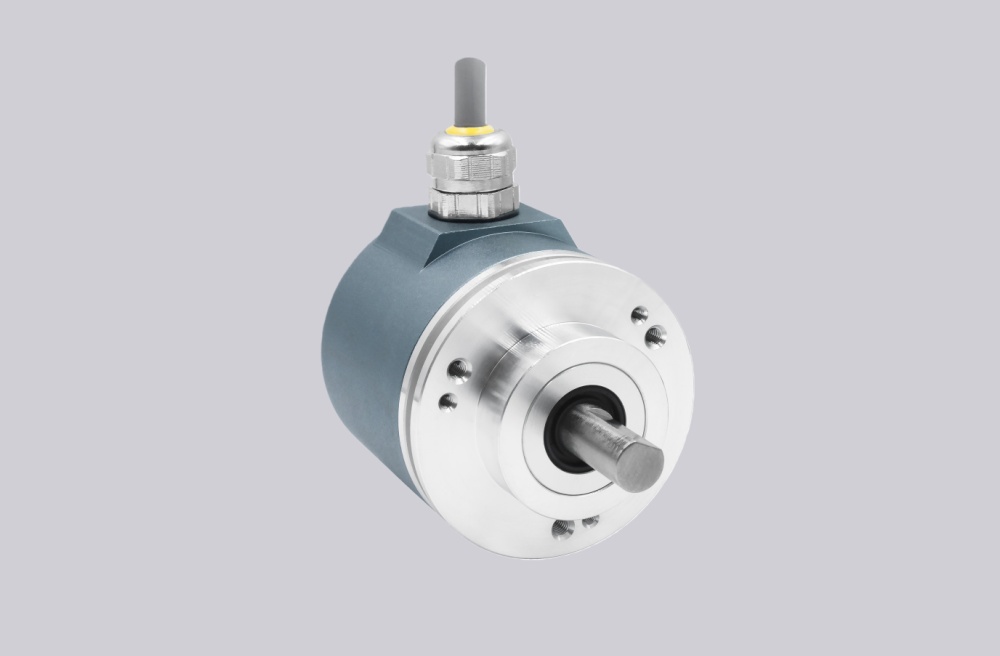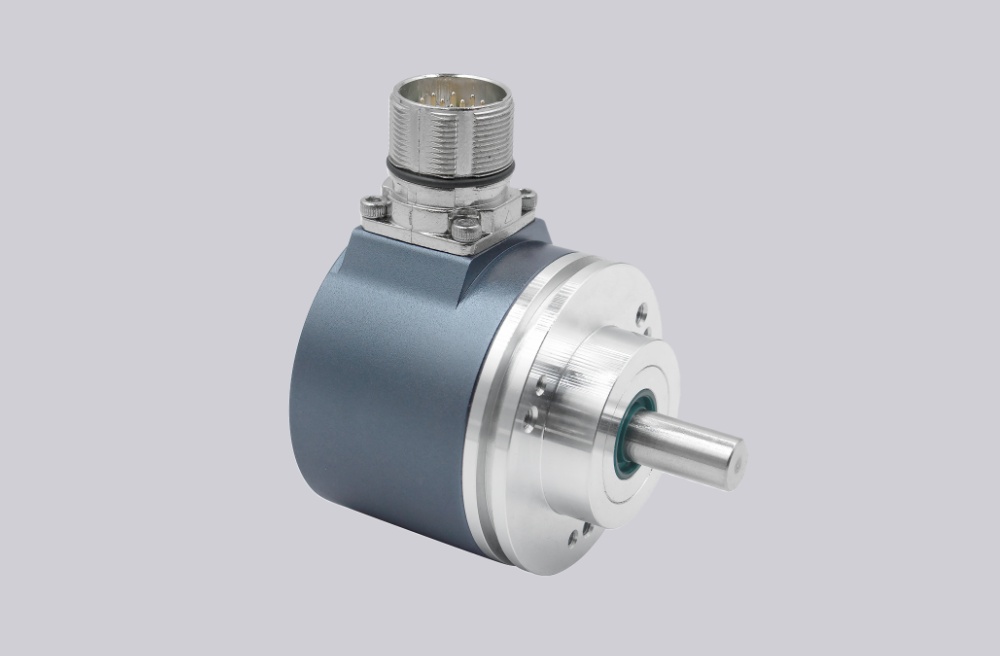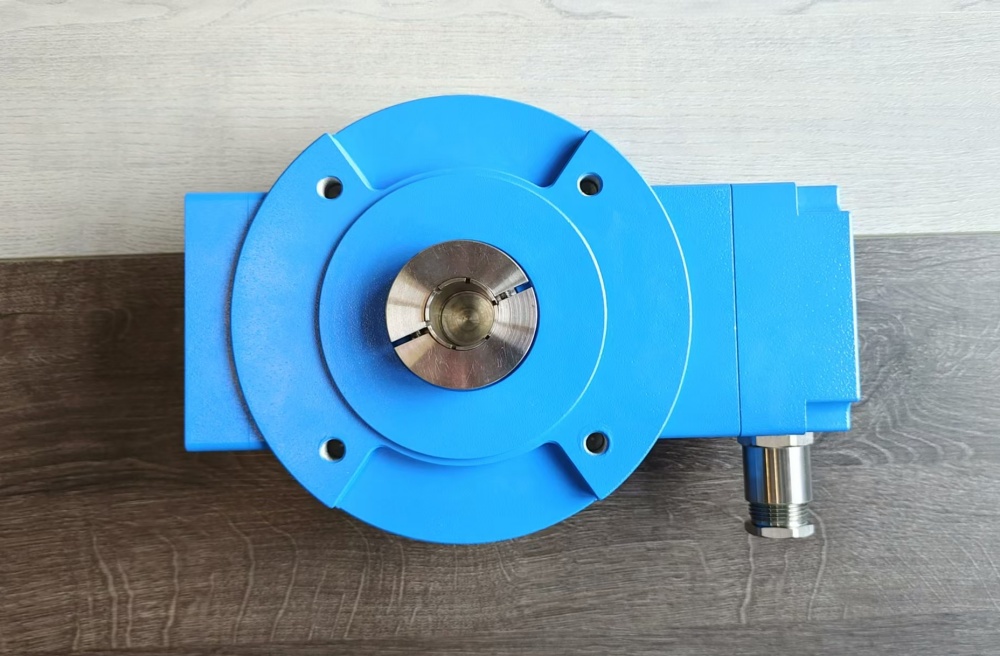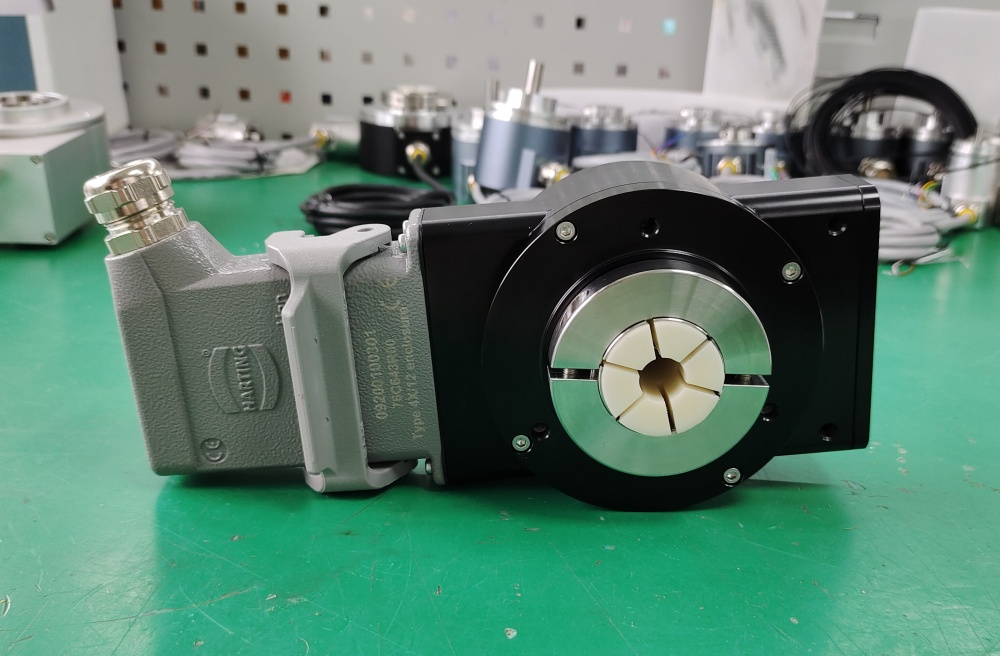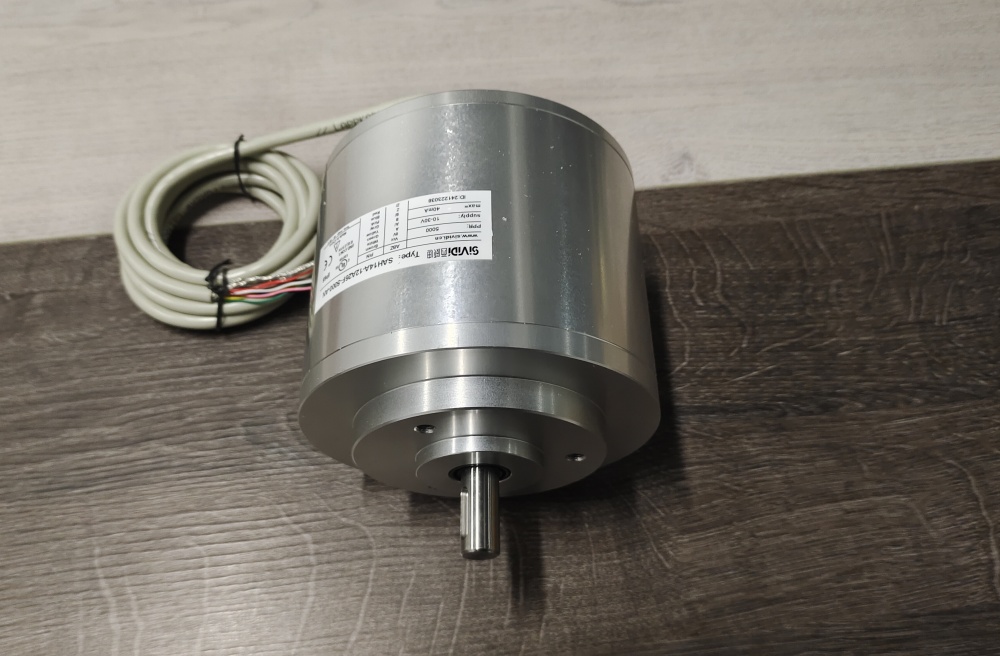




The 865 series encoder models have long been widely used across various industrial applications and have gained strong acceptance among engineering and maintenance teams. These encoders were commonly selected for projects requiring stable performance, precise feedback, and long-term operational reliability.
Focusing on the 865900175-2048 configuration, this model belongs to an earlier generation design that differs in certain aspects from current mainstream encoder selections. Although the original supply of this configuration is no longer available through standard channels, there remains ongoing demand for encoders with identical functional parameters and interface characteristics.
Many application-oriented enterprises continue to require this model, either for spare-part replacement, system retrofitting, or to maintain consistency with existing installations. At the same time, there is increasing emphasis on cost control and supply-chain efficiency, driving demand for locally manufactured alternatives that can shorten delivery cycles without compromising technical compatibility.
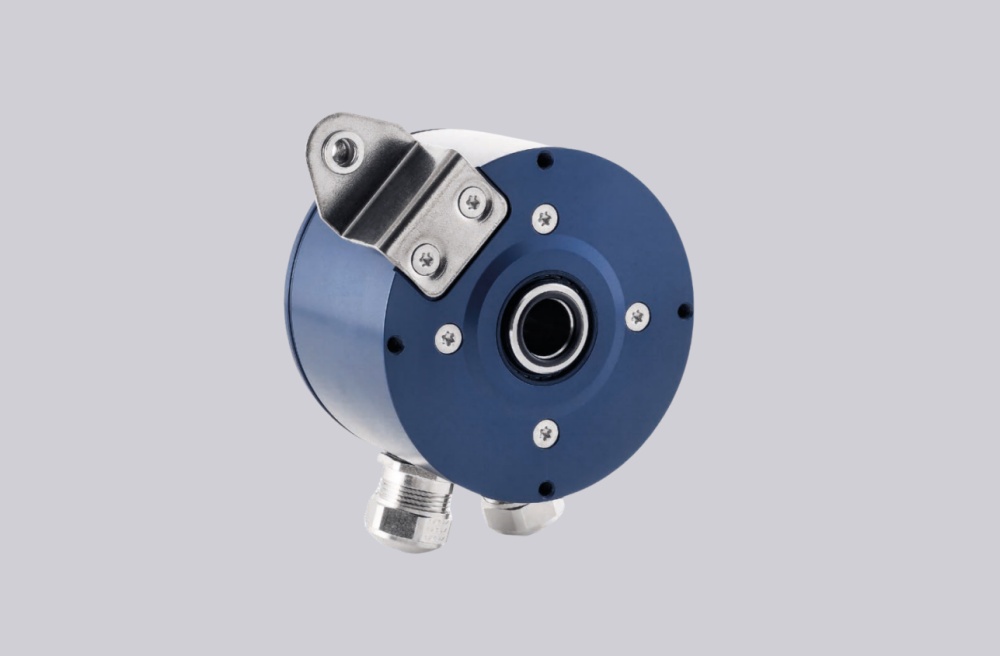
To meet these requirements, alternative encoder products have been developed that match the original specifications in terms of electrical interface, resolution, mechanical design, and application behavior. These replacement encoders are designed to integrate seamlessly into existing systems, avoiding the need for control program changes or mechanical redesign.
Such alternative solutions are now widely used in industries such as wind power generation and new energy systems, where long equipment lifecycles and stable spare-part availability are critical. In practical applications, these replacement encoders have demonstrated reliable performance and consistent signal behavior, making them a preferred option in both domestic and regional markets, including parts of Southeast Asia.
For users seeking a replacement or alternative for the 865900175-2048 encoder, customized solutions with matching parameters can be evaluated based on specific application requirements. This approach provides a practical path to maintaining system continuity while addressing procurement and lifecycle challenges.